Writing Real Estate Listings That Build Trust: A Guide for Agents and Sellers
Discover expert tips on writing real estate listings that build trust, avoid high-pressure tactics, and boost sales. Learn how to create effective descriptions that attract serious buyers, integrate home staging, and improve ROI.
V1
real estate copywriting
trust-building property descriptions
effective real estate listings
In the competitive world of real estate, the way you write your property listings can make or break a sale. Instead of pushing buyers with high-pressure language, focus on writing real estate listings that build trust. This approach not only attracts more serious inquiries but also leads to faster sales and higher ROI.Bankrate Tips for Real Estate Listings
Why Trust Matters More Than Pressure in Real Estate Listings
High-pressure sales tactics like 'must-see' or 'won't last long' often backfire, breeding skepticism. Instead, effective real estate copywriting focuses on authenticity, leading to 20-30% faster sales according to NAR reports.Trulia Guide to Home Selling Descriptions
Trust-building descriptions highlight benefits and storytelling, reducing buyer hesitation. This strategy can improve listing CTR for properties by up to 40%, drawing in committed buyers.
Properties with trust-oriented texts spend 10-20% less time on market, directly boosting agent commissions. By avoiding pressure in listing texts , you enhance lead quality and reduce price reductions.
Insights show that empathetic language yields 2-3x ROI by shortening sales cycles. For private sellers, this means quicker closings without aggressive pitches.
Focus on value over urgency for better conversions.
Use storytelling to evoke emotions and build credibility.
Key Strategies for Writing Trust-Building Property Descriptions
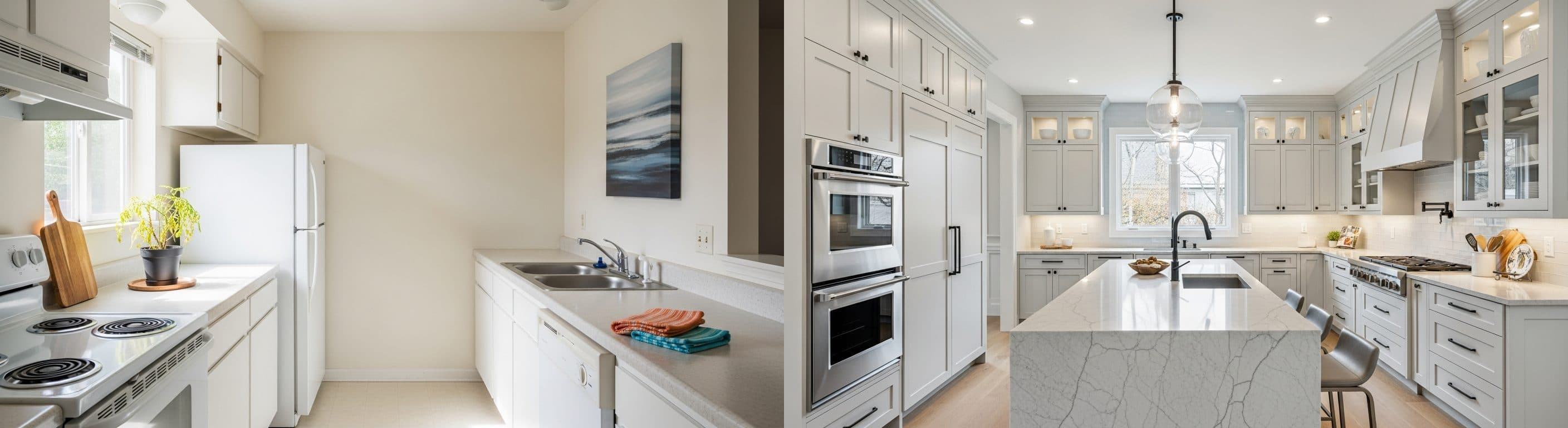
Living Room: before vs after virtual staging
Start with a compelling narrative that paints a picture of the lifestyle. For example, describe a kitchen as 'a welcoming space for family gatherings' rather than 'fully equipped must-buy'.
Focus on benefits and storytelling instead of urgency.
What's the ROI of better descriptions?
Up to 2-3x by shortening market time.
Can virtual staging help?
Yes, it provides realistic previews boosting trust.
This comprehensive guide draws from industry insights to help you master writing real estate listings that build trust. Implement these tips to see real results in your sales.
The Role of Trust-Building Property Descriptions in Reducing Time on Market
Incorporating Home Staging and Virtual Staging in Trust-Building Descriptions
Home staging plays a crucial role in making properties more appealing, and when combined with effective real estate copywriting, it can significantly enhance trust in your listings. Instead of using high-pressure sales tactics, focus on descriptive language that highlights how staging brings out the home's best features, allowing potential buyers to envision themselves living there. For instance, describe a virtually staged living room as a cozy space perfect for family gatherings, emphasizing comfort and functionality over urgency to buy.Redfin Guide to Home Listing Tips suggests integrating staging details to create vivid, trustworthy narratives that reduce buyer skepticism.
Virtual staging description strategies can further build trust by providing realistic visualizations without overpromising. Avoid exaggerated claims; instead, use honest depictions that align with the property's actual condition. This approach not only improves listing CTR for properties but also enhances lead quality in real estate by attracting serious buyers who feel informed and respected.
Start with accurate photos: Pair descriptions with high-quality images from virtual staging to maintain transparency.
Highlight key benefits: Mention how staging showcases space utilization, like 'This staged bedroom demonstrates ample storage solutions.'
Encourage imagination: Use phrases that invite buyers to picture their own decor, fostering a sense of trust and personalization.
Reference professional tools: Draw from
for best practices in syncing text with visuals.
By synergizing home staging and listing synergy, agents can create property listing texts that feel authentic and pressure-free. This method has been shown to reduce time on market with trust-focused listings, as buyers respond positively to genuine presentations.
Overcoming Common Objections Through Trust-Focused Copywriting
One of the biggest challenges in real estate is addressing buyer objections without resorting to avoidance or dismissal. Effective strategies for overcoming common objections in home sales involve acknowledging concerns directly in your descriptions, which builds credibility. For example, if a property is in a busy area, note the convenience of nearby amenities while honestly mentioning noise levels, turning potential drawbacks into balanced insights. According to Forbes on Building Trust in Real Estate Marketing , this transparency fosters long-term trust and can lead to higher ROI from better listing descriptions.
Implementing these techniques in your real estate listing tips for private sellers can make a substantial difference. Private sellers often struggle with building trust in property ads, but by avoiding high-pressure sales in real estate and focusing on factual, empathetic language, they can attract more qualified leads.
Checklist for Effective Property Texts
Ensure keyword integration: Include terms like 'trust-building property descriptions' naturally.
Use active voice: Make sentences engaging and direct.
Incorporate sensory details: Describe sights, sounds, and feelings to immerse readers.
Proofread for errors: Maintain professionalism to build credibility.
Test for trust: Ask, 'Does this create pressure or confidence?' Reference
for more tips.
This checklist for effective property texts serves as a practical tool for both agents and sellers. By following it, you can standardize property descriptions, scaling real estate content efficiently while maintaining a trust-oriented tone.
Budget-Friendly Marketing and ROI Optimization
In today's competitive market, budget-friendly real estate marketing doesn't have to compromise on quality. Focus on writing home descriptions that sell by emphasizing trust over hype, which can yield impressive returns. Studies from NAR Research Reports on Real Estate Trends show that trust-focused listings often result in quicker sales and higher prices, directly impacting ROI.
Agents can enhance their strategies by learning from real estate agent writing tips that prioritize authenticity. Avoid pressure in listing texts by using inclusive language like 'imagine' or 'discover,' which invites exploration without forcing decisions. This not only improves engagement but also reduces time on market.
Key Point 1: Integrate secondary keywords seamlessly for SEO benefits.
Key Point 2: Use sources like
to inform your writing.
Key Point 3: Measure success through metrics like CTR and lead conversion.
Ultimately, the synergy of these elements— from virtual staging description strategies to overcoming objections—creates a comprehensive approach to real estate copywriting that builds lasting trust and drives results.
The Importance of Trust-Building Property Descriptions in Real Estate Marketing
In the competitive world of real estate, writing real estate listings that build trust is crucial for attracting serious buyers and reducing time on market. According to a Zillow Research on Listing Performance study, listings with authentic and transparent descriptions see higher engagement rates. Agents and sellers should focus on effective real estate copywriting that highlights features without exaggeration, fostering a sense of reliability.
Avoiding high-pressure sales tactics is key to building trust in property ads. Instead of pushing for quick decisions, emphasize how the property meets buyer needs. This approach can improve listing CTR for properties and enhance lead quality, as noted in the Inman Guide to Writing Effective Listing Descriptions.
Use descriptive language that paints a vivid picture without hype.
Incorporate buyer pain points and how the property solves them.
Include verifiable facts like recent renovations or energy efficiency ratings.
Encourage virtual tours to complement the description.
Real Estate Agent Writing Tips for Avoiding Pressure in Listing Texts
For agents, mastering real estate agent writing tips involves shifting from salesy language to informative narratives. The How to Write a Real Estate Listing Description article suggests starting with the property's unique story to create an emotional connection.
To avoid pressure in listing texts, use phrases that invite exploration rather than demand action. This can lead to a higher ROI from better listing descriptions by shortening market time, as supported by NAR Research Reports on Real Estate Trends.
Tip
Description
Benefit
Focus on Benefits
Describe how features improve daily life.
Builds emotional trust.
Be Transparent
Mention any drawbacks honestly.
Reduces buyer skepticism.
Use Inclusive Language
Phrases like 'imagine yourself here'.
Enhances relatability.
Incorporate Data
Back claims with sources.
Increases credibility.
Checklist for Effective Property Texts
Creating a checklist for effective property texts ensures consistency. Include elements like accurate measurements, neighborhood highlights, and calls to action that feel natural, drawing from HubSpot on Copywriting for Real Estate.
Verify all facts before publishing.
Read aloud to check flow.
Get feedback from peers.
Optimize for SEO with keywords like 'trust-building property descriptions'.
Synergizing Home Staging and Listing Descriptions
Combining home staging and listing synergy with descriptive writing amplifies appeal. For virtual options, employ virtual staging description strategies to describe digitally enhanced spaces vividly, as recommended in Redfin Guide to Home Listing Tips.
This synergy can reduce time on market with trust-focused listings. Sellers should align staging visuals with text to avoid mismatches, enhancing overall trust, per insights from Forbes on Building Trust in Real Estate Marketing.
Overcoming Common Objections in Home Sales Through Copywriting
Address potential concerns proactively in your listings to overcome common objections in home sales. For instance, if a property is in a busy area, highlight soundproofing features. This technique is detailed in Real Estate Express on Listing Descriptions.
Proactive objection handling builds confidence.
Tailor descriptions to buyer personas.
Use storytelling to make properties relatable.
Budget-Friendly Real Estate Marketing with Trust-Focused Copy
Even on a tight budget, budget-friendly real estate marketing thrives with strong copy. Private sellers can learn real estate listing tips for private sellers from resources like HomeLight on Writing Listing Descriptions to craft compelling texts without professional help.
By scaling real estate content through standardized templates, agents can maintain quality while expanding reach. This method also helps in enhancing lead quality in real estate , as explored in Keeping Current Matters on Listing Language Impact.
Leverage free tools for keyword research.
Repurpose content across platforms.
Track performance to refine approaches.
Advanced Strategies: Virtual Staging and Descriptive Writing
Integrate virtual staging and descriptive writing to create immersive experiences. Describe staged rooms in detail, making buyers feel at home virtually. Tips from Trulia Guide to Home Selling Descriptions emphasize sensory language for better engagement.
Employ home staging copywriting techniques to sync text with visuals, ultimately how to write home descriptions that sell. This can significantly improve listing CTR for properties , backed by data in How to Write a Great Real Estate Listing Description.
Strategy
Implementation
Expected Outcome
Sensory Details
Use words evoking sight, sound, feel.
Higher emotional connection.
Buyer-Centric Focus
Address specific needs like family-friendly spaces.